Cape Cod
RoseWater Energy systems for waterfront and second homes from Falmouth and Osterville to Chatham, Orleans and the Outer Cape.
Boston Backup Power designs RoseWater Energy systems for homes on Cape Cod, from Falmouth, Mashpee and the villages of Barnstable to Chatham, Orleans, Wellfleet and Truro.
On the Cape, storms reach the house first and the repair crews reach it last. Many homes also sit empty for weeks at a time. A RoseWater HUB keeps your essential systems running with zero transfer time, cleans up the power every day, and tells you, us and RoseWater how the house is doing when you are not there.
Authorized RoseWater Energy Dealer. Updated .
Why the Cape loses power
Cape Cod loses power in storms more than most of Massachusetts because it sits out in the ocean with long, exposed lines. Hurricane Bob in 1991 left most of the Cape in the dark, and nor'easters such as the March 2018 storms and the October 2019 storm took power down across the Cape for days.
Eversource serves all of Cape Cod. The Outer Cape is fed by a long line down the narrow end of the Cape, and Eversource built a large utility battery in Provincetown to keep those towns powered when that line goes down. That battery supports the grid. It does not condition the power inside your house or carry your house through the gap.
Between storms, the power on the Cape still sags, surges and flickers. A HUB is always online, so your house runs on conditioned power every day, and an outage is a non-event for the circuits it serves.
Homes on Cape Cod
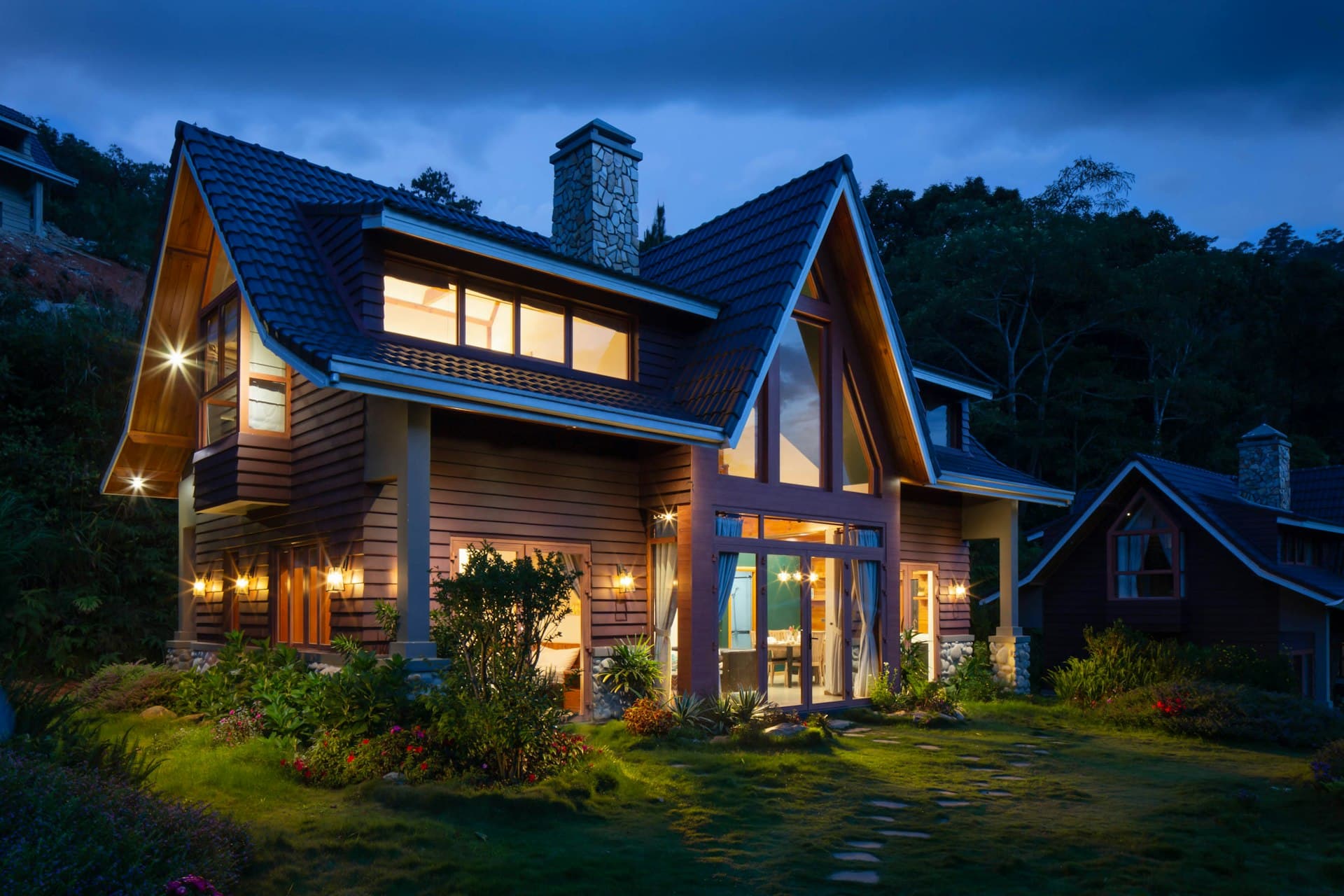
Cape houses range from antique capes and sea captains' houses in Yarmouth Port and Chatham to large shingle-style homes on the water in Osterville, Wianno and Hyannis Port, and new construction on the bluffs. Many are second homes that run without anyone in them for part of the year.
An empty house still depends on power. The heat, the sump pump, the security system, the network and the refrigeration all have to keep running, and you want to know if they stop.
Plenty of Cape houses have no usable basement, or have one that sits low on a waterfront lot. That makes the garage the usual home for the equipment.
Salt air, flooding and where the system goes
On the Cape, the HUB should go inside, out of the salt air and above any water. RoseWater designs HUBs for indoor installation in a garage or basement, without air conditioning, in a space about 3.5 feet wide, 3 feet deep and 8 feet high with 36 inches clear in front.
Many waterfront lots on the Cape sit in flood zones. RoseWater's warranty does not cover water damage, so a low basement is a poor choice. A garage, a raised mechanical room or a space on an upper level is usually better. Your electrician and building department confirm where electrical equipment can go relative to the flood elevation.
Some towns do not allow indoor battery systems, and some houses simply have no room. For those, the HUB40 can go outdoors in RoseWater's powder-coated, climate-controlled outdoor enclosure. Near salt water we review the spot with RoseWater's engineering team first. RoseWater also points out that its HUBs use lead-acid batteries, which some towns treat differently from lithium storage when it comes to permits.
Cabinet sizes and specs for each system are on the HUB20, HUB40 and 3-Phase pages.
Homes we design for on Cape Cod
Second homes
Monitoring alerts go to you, to us and to RoseWater, so a problem at an empty house gets noticed before you arrive.
Waterfront homes
Houses on the sound, the bay and the ponds, where the equipment has to stay dry and out of the salt air.
Homes with solar
Grid-tied solar alone shuts down when the grid does. With RoseWater's SBX10, a HUB can take up to 10 kW of solar and use it to keep the batteries charged.
Homes with a generator
A generator starts after the power is out. A HUB covers the gap with zero transfer time and conditions the generator's power while it runs.
Towns we serve on Cape Cod
- Bourne
- Sandwich
- Falmouth
- Woods Hole
- Mashpee
- Cotuit
- Osterville
- Centerville
- Hyannis Port
- Barnstable
- Yarmouth Port
- Dennis
- Brewster
- Harwich
- Chatham
- Orleans
- Eastham
- Wellfleet
- Truro
- Provincetown
We cover the whole Cape from the canal to Provincetown. For Martha's Vineyard and Nantucket, see our islands page.
How a project runs on Cape Cod
Cape projects are planned trips from Norwood, so we combine the site visit with a look at every room that could take the equipment and a call with your electrician, generator dealer or solar installer. We register the project with RoseWater's engineering team and design the system around your Power Plan. RoseWater technicians deliver and commission the system with us. Off-season scheduling is often easier, which suits second homes.
Build your Power Plan
Use the Power Plan on this site or call us. You pick what has to stay on, from the network and lighting control to the well pump and the wine room.
Site visit
We look at your electrical service, the main panel and subpanels, and the rooms that could hold the cabinets. On new builds we work from the single-line diagram, riser diagrams and panel schedules.
Design with RoseWater
We register the project with RoseWater's engineering team, size the HUB and battery storage to your plan, and send you a written proposal.
Electrical tie-in
A licensed electrician connects the system at the main panel. We coordinate your electrician or bring in one we trust, along with any generator or solar partner.
Commissioning
RoseWater technicians deliver the cabinets and commission the system on site with us. Commissioning by RoseWater-trained personnel starts the three-year warranty.
Integration and support
We set up monitoring and alerts, tie the system into your home's other systems, and stay your first call for service and warranty questions.
The first step is the Power Plan. If you would rather talk it through, use the contact form or call (781) 333-8003. You can also read about our backup power installation and design services and whole-home battery backup for homes.
Questions about backup power on Cape Cod
Does the Provincetown battery protect my house?
Does the Provincetown battery protect my house?
No. The Provincetown battery is Eversource's grid equipment, built to keep the Outer Cape powered when the main line goes down. It does not condition the power inside your house or prevent the sags, surges and flicker that reach your panel. A HUB does that for the circuits it serves.
Can I check on my Cape house's power when I am not there?
Can I check on my Cape house's power when I am not there?
Yes. A RoseWater HUB has built-in remote monitoring. We give you access to the system's data, and alerts can go to you, to us and to RoseWater. The HUB also sounds an alarm when its batteries run low.
Can a backup system go outdoors on the Cape?
Can a backup system go outdoors on the Cape?
The HUB40 can, in RoseWater's powder-coated, weather-resistant enclosure with built-in climate control. Near salt water we review the location with RoseWater's engineering team before we commit to it.
Do Cape towns allow indoor battery systems?
Do Cape towns allow indoor battery systems?
It depends on the town and the system. Some towns do not allow indoor battery systems, and the HUB40 outdoor enclosure exists partly for that reason. RoseWater also notes that its lead-acid batteries can face fewer permitting hurdles than lithium. Your electrician pulls the permit, and we help answer the building department's questions.

Keep the Cape House Running
Build a Power Plan for your Cape home. We will look at the site, the storm exposure and what has to stay on, and design the system from there.