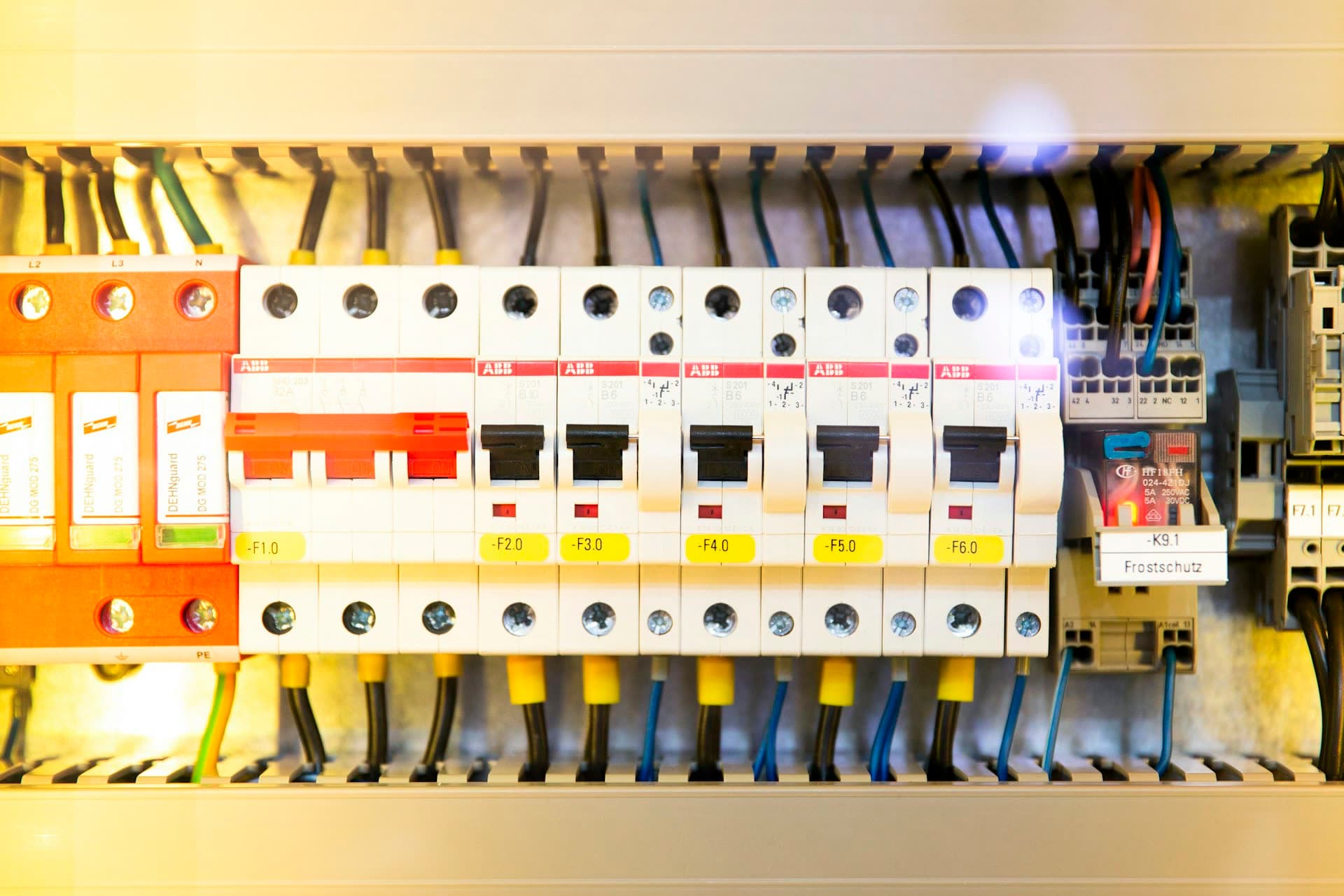
Why do homes hit their service limit?
A service size, such as 200 A, is the most current the utility connection and the main breaker are built to carry. When you add an EV charger, heat pumps, an induction range or an addition, the electrician adds those loads to a load calculation. If the total is over the service rating, the usual answer is a bigger service.
The catch is that the calculation assumes a lot of things can run together. In real life the car charges overnight, the dryer runs in the afternoon and the heat pump works hardest on the coldest mornings. A house can be over its limit on paper and rarely near it in practice. Load management closes that gap by making sure the rare peak never happens.
What does the electrical code allow?
The 2023 National Electrical Code added section 220.70. It says the ampere setpoint of an energy management system can be used to calculate the maximum continuous load for feeder and service conductors, with the system installed under 750.30. Mike Holt's 2023 code calculations book gives an example: with an EV energy management device, a charger rated 48 A can go on a 200 A service whose calculated load is already 200 A.
The Massachusetts Electrical Code is based on the NEC, and the town wiring inspector applies it. Ask your electrician how the inspector in your town treats an energy management system before you count on one.
How does managing loads compare with upgrading?
| Load management | Service upgrade | |
|---|---|---|
| What changes | Modules or controls added at the panel | A larger service from the utility and new service equipment at the house |
| Who is involved | Licensed electrician and inspector, with us on the Savant design | Licensed electrician, inspector and the utility |
| Utility step | The utility service stays as it is | A work request with the utility, which connects after the inspector signs off |
| What you notice | Low-priority loads pause during peaks | Nothing, once it is done |
| Extra benefits | Circuit monitoring, outage scenes, battery and EV control | Room for future loads |
How does Savant handle it?
Savant Power Modules sit on the circuits you want to manage, with ratings of 20 A at 120 V and 30 A or 60 A at 240 V. Savant's January 2025 announcement of Smart Budget describes the owner using the app to "monitor live consumption, shed unnecessary loads, and balance usage within a limited electrical service" and calls it an alternative to a utility service upgrade. Whether your design counts under 220.70 is up to your electrician and the inspector, and the utility signs off on the service.
You set the priorities. An EV charger, a pool heater, a hot tub or a second dryer are typical first loads to shed. Heat, the refrigerator and the well pump stay on. For homes with Savant Power Storage, Savant also has a Panel Limit setting for panels of 200 A or less that keeps grid power plus battery output at or below 80% of the panel rating, and only a licensed electrician may turn it on.
When should you upgrade anyway?
Load management is the wrong tool when big loads really do need to run together for hours, such as electric heat on every floor plus two EVs that must charge before morning. It is also the wrong tool when the service equipment itself is old, damaged or undersized for safety reasons. The Massachusetts Clean Energy Center tells owners with less than 200 A service to consider upgrading for heat pumps, solar and EVs. A load calculation tells you which side of the line you are on. Read 200 A to 400 A service upgrades for what the upgrade involves.